How To Start a Tour Business
How to build a tour operator website, get found on Google, and take direct bookings — from someone who's done it.So you want to build a tour business from scratch, but don't know where to start?
Today we'll discuss just some of the considerations you'll need in order to build your tour business online. While we won't delve too deeply into the logistical aspects of running tours — that's entirely your domain — we'll certainly unravel the challenges you'll face when building your online portfolio and help you tie it all together as a seamless, direct-booking business.
Some of you may have thought at one point or another that you'd like to start a tour business. Let's face it, going out on tour sounds like fun. You're outside enjoying the sun, exploring new places, and meeting people on holidays all the time. It's a great lifestyle and it beats the heck out of a stuffy office job.
What Kind of Tour Business Could You Build?
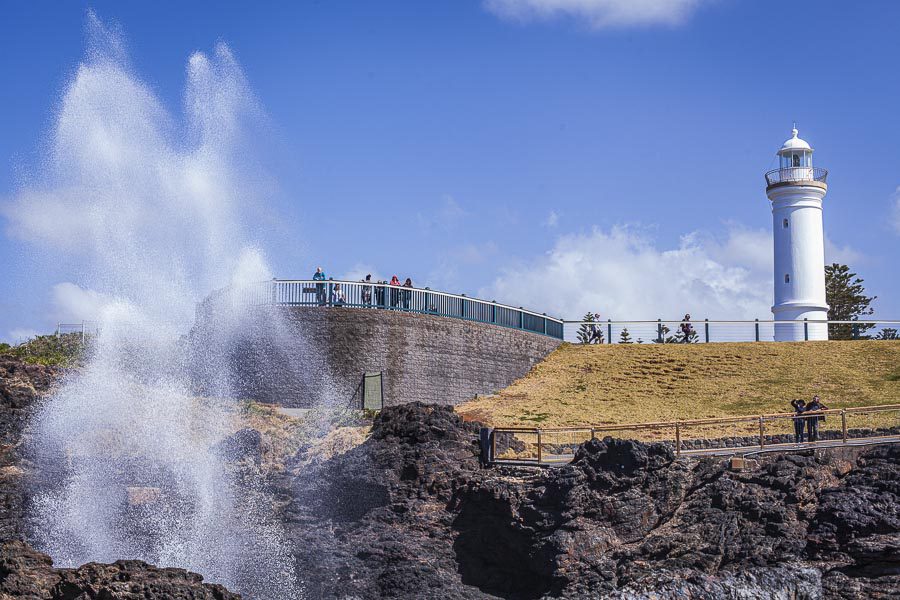
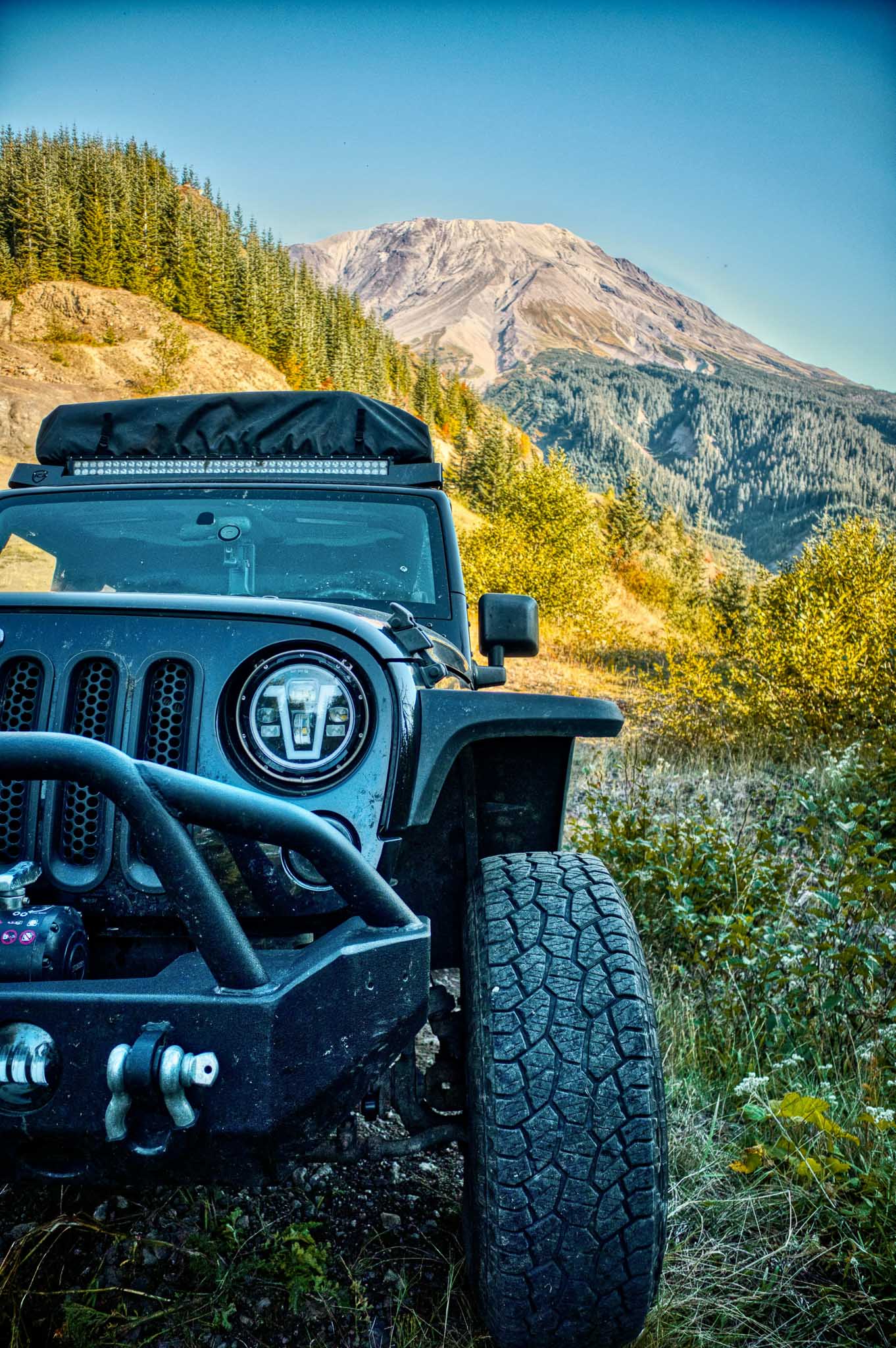
Depending on your location and experience, the options are wide — city sightseeing, fishing charters, diving, helicopter tours, walking tours, motorcycle or trike tours, 4WD adventures, and cultural or food experiences are just some of the directions operators take.
The right tour for you sits at the intersection of your experience, your passion, and genuine market demand.
Before You Dive In — A Reality Check
Before you continue — while it all sounds fantastic, without proper research you may be doing it all wrong and lose your money, not to mention face serious legal issues if anything goes wrong. Regardless of the style of tour you'd like to run, it needs to be well researched. Ideally it should be a field you've already worked in — not something you do on a whim. It needs to be carefully considered before you take the plunge, so to speak.
For starters, starting a tour business — or any business for that matter — takes a great deal of commitment, bordering on obsession, to make it a success. You'll want to quit a thousand times, like I did. But the more time and energy you invest, the more you'll realise just how true your obsession is to make your dream a reality. My suggestion: work in the field first before you commit any real money to it, just to see if you actually like the reality of it.
Some things to think about before you start:
Are you building from scratch or buying an established business? Have you actually worked in this industry, and does your experience transfer? Whatever direction you take, insurances, accreditations, and licences are non-negotiable — the requirements vary significantly by tour type and state, so know what's needed before you spend a cent.
And don't overlook your health. You can't just walk away from a business because of ill health. Six months after a major purchase, I found out I had a rare form of blood cancer. Had I known, I probably wouldn't have invested the way I did. I've made those mistakes so you don't have to.
Where Drumroll Please Comes In
At Drumroll Please, we've done it — and we've been on both sides of the equation. We've worked in the industry as a coach operator running day tours out of Sydney, and we've built a private touring business taking guests around in a Mercedes V-Class. We've built a website and business from the ground up with nothing but an idea.
Prior to all of this, we worked in the business brokerage sector dealing with the sale of small retail and food businesses. A lot of valuable lessons were learnt there too.
What we do at Drumroll Please is the digital side of your business. We help you build and optimise everything online — from your website and SEO, to your booking system, photography, product development, and your presence across the platforms that matter most to tour operators. The physical operation of your tours — the logistics, the safety, the legal compliance, the risk management — that's your territory and yours alone.
Important: Nothing in this article constitutes legal, financial, or operational advice. While we have operated tours ourselves, Drumroll Please operates as a digital marketing and web development consultancy. All decisions regarding the operation, licensing, insurance, and compliance of your tour business are entirely your responsibility.


A Puzzle Without the Pieces
Before we build anything, you need to figure out what the pieces are. What do you want to build? Who will run it? Where will it operate? And why are you doing it?
Once you've got clarity on those questions, the digital build has a foundation to stand on. Without it, you're spending money on a platform that doesn't know what it's selling or who it's selling to.
Building Your Digital Presence
Every tour operator needs a digital ecosystem where all the parts work together. Miss one piece and the whole thing underperforms — a great website with no SEO doesn't get found, a strong Google profile with no booking system loses the conversion, great photography with no platform to display it goes to waste.
Here's what that ecosystem looks like — and why each part matters more than most operators realise until it's too late.

1. Website
Your website is your hardest-working employee — on the clock 24/7 while you're out running tours. A poorly built site doesn't just look bad, it actively costs you bookings. Done well, it becomes the centrepiece of everything — where your SEO, OTAs, and Google Business Profile all point, and where bookings are won or lost.
We build on WordPress — giving tour operators full control without full-time developer dependency. But the platform is only part of the answer. How it's built and optimised is what separates a site that generates leads from one that just takes up server space.

2. Search Engine Optimisation (SEO)
SEO is the difference between being found and being invisible. Most tour operators understand this in theory — far fewer understand just how much goes into doing it properly, or how quickly a poorly optimised site can fall behind competitors who've invested in getting it right.
It's not a one-time job. It's an ongoing discipline that touches everything from how your pages are structured to how Google interprets your business, your location, and your relevance to the searches your future guests are making right now. Get it right and your site works for you around the clock. Get it wrong and you're entirely dependent on OTAs to be found — and paying their commission every single time.
This is where we spend the majority of our time, and where the results speak loudest.

3. Google Business Profile
If you're not appearing in Google's local Map Pack, you're handing those bookings to someone else. A Google Business Profile isn't just a listing — it's one of the most powerful trust signals your business can build, and it's free. But free doesn't mean easy. An unoptimised profile is almost as bad as no profile at all.
The operators who dominate local search results aren't there by accident. There's a methodology to it, and it's one we've applied directly to our own tourism business with measurable results. We bring that same approach to every client.
4. TripAdvisor
For tour operators, TripAdvisor is non-negotiable. New guests who've never heard of you will check it before they book — every time. A thin, unoptimised listing with few reviews is a conversion killer, regardless of how good your actual product is.
A well-managed TripAdvisor presence does two things: it builds the social proof that converts browsers into bookers, and it feeds trust signals back into your broader online presence. The two need to be working together, telling the same story, reinforcing the same brand. That coordination doesn't happen by accident.

5. Online Booking System
Every booking you take through an OTA is a commission you've paid to someone else's platform. A direct booking through your own website costs you nothing beyond the small processing fee. Over a season, the difference is significant — and that's before you factor in the customer relationship, the data, and the ability to communicate directly with your guests.
The right booking system, properly integrated into your website, is what makes direct bookings possible at scale. The wrong one — or a good one implemented badly — creates friction that sends guests back to Viator to book instead. We've worked with the leading platforms in the Australian tourism market and know exactly where the integration pitfalls are and how to avoid them.
6. Developing Your Tour Products
You know your tours better than anyone. But knowing how to run an experience and knowing how to sell it online are two very different skills. The operators who perform best on OTAs and on their own websites have products that are structured, written, and presented in a way that's specifically designed to convert online browsers into paying guests.
Product development is something most operators underestimate — and OTAs like Viator are increasingly rewarding those who get it right with better placement, better visibility, and ultimately more bookings. This is an area where small improvements deliver outsized results.


7. Photography & Video
You are selling an experience that guests cannot touch, taste, or try before they buy. Photography is your single most powerful sales tool — and the gap between operators who invest in it and those who don't is stark. We've seen it first-hand: professional visual content doesn't just make a listing look better, it directly and measurably increases booking rates. In some cases by over 160%.
If your current images were taken on a phone, or sourced from somewhere that isn't your actual product, guests can tell. And if they can't see what they're booking, they won't book it. It really is that simple.
8. Online Travel Agents (OTAs)
Love them or hate them, OTAs are part of the landscape. Viator, GetYourGuide, Klook, and the ATDW all have a role to play — but that role looks very different depending on where you are in your business journey and how your digital presence is set up to support or replace them over time.
The operators who get OTAs right aren't just listed on them — they're strategically positioned on them, with optimised products, strong review profiles, and a direct booking engine running in parallel. Knowing when to lean on OTAs and when to pull volume back to direct is something that comes with experience. We've sat on both sides of that equation.

9. Social Media
Social media's role in tour operator marketing is frequently overstated and often misunderstood. The platforms matter — but only when they're integrated into a broader strategy, not treated as standalone channels. Used well, they extend your reach, reinforce your brand, and build the kind of ongoing presence that keeps past guests engaged and attracts new ones. Used poorly, they consume time that would be better spent elsewhere.
Frequently Asked Questions
Do I need a licence to run tours in Australia?
In most cases, yes. Licence requirements vary significantly depending on your tour type, the vehicles or vessels you operate, and the state you're based in. Heavy vehicle operators, marine charter operators, and those working in national parks all face different requirements. We strongly recommend contacting your state's transport authority and tourism body before committing any money to the business. This is not an area to guess on.
How do I get my tour business found on Google?
Getting found on Google comes down to three things working together — a well-structured, optimised website, a fully built-out Google Business Profile, and consistent content that targets the search terms your future guests are actually using. Local SEO is particularly powerful for tour operators, as most guests search with location-based terms. It takes time to build but the compounding effect is significant. This is one of the core services we provide at Drumroll Please.
Should I list on Viator or build my own website first?
Both, but in the right order. Viator gets you in front of an established audience quickly and helps you build reviews early on — which you need. But it comes at a significant commission cost and you have no ownership of that relationship with the guest. Your own website should be built in parallel so that as your reputation grows, you have a direct booking channel ready to capture that traffic. Relying solely on Viator long term is an expensive strategy.
What booking system is best for tour operators?
The two we've worked with directly are Rezdy and FareHarbor. Both are purpose-built for tour operators and integrate with the major OTAs for synchronised availability. The right choice depends on your booking volume, your OTA mix, and how you want to structure your pricing. We help operators evaluate, set up, and integrate the right system into their WordPress website — including making sure it doesn't conflict with your SEO in the process.
How long does it take to build a tour business online?
A properly built website with SEO foundations takes four to six weeks from brief to launch. Building authority in Google's search results is a longer game — expect three to six months before you see meaningful organic traffic. OTA listings can go live within days but building a strong review profile takes a full season of consistent operation. The sooner you start the digital build, the sooner the compounding effect kicks in.
Do I need a TripAdvisor page for my tour business?
Yes — without exception. TripAdvisor is the first place most travellers go to validate a tour operator they've found elsewhere. A missing or thin listing creates doubt at the exact moment a potential guest is deciding whether to book. A well-optimised TripAdvisor presence with an active review strategy works as a trust engine that feeds directly into your conversion rate across every other channel.
Wrapping It All Up
So with all of this in mind — we're here to help you build your dream touring business online. There are so many moving parts to the digital side of a tour operation that it can consume your every waking hour if you're trying to figure it out alone. We love the techy stuff. The stuff most people would rather avoid and just get on with their business.
Setting up any business requires incredible commitment. If you have any doubts at all, it might be worth asking yourself whether this is truly right for you and your situation. But if you possess the passion and desire to make it happen, then you're one of the very few who dare to step up, go out on a limb, and give it a red-hot shot.
Book a session with Dave to run you through his experience — the mistakes, the wins, and what it really takes to build a tour business online from the ground up.
Disclaimer: The information provided in this article relates to digital marketing and web development for tour operators. Drumroll Please does not provide legal, financial, safety, or operational business advice. All decisions regarding the establishment, licensing, insurance, and operation of any tour business are the sole responsibility of the business owner. We are digital consultants — not tour operators, legal advisors, or financial planners.